
Self-Storage Facility Roofing roof access, staging space, and tenant or operations limits.
Self-Storage Facility Roofing in Corpus Christi, TX
Self-Storage Facility Roofing in Corpus Christi, TX
Commercial roofing for self-storage facilities, mini-storage units, and climate-controlled storage.
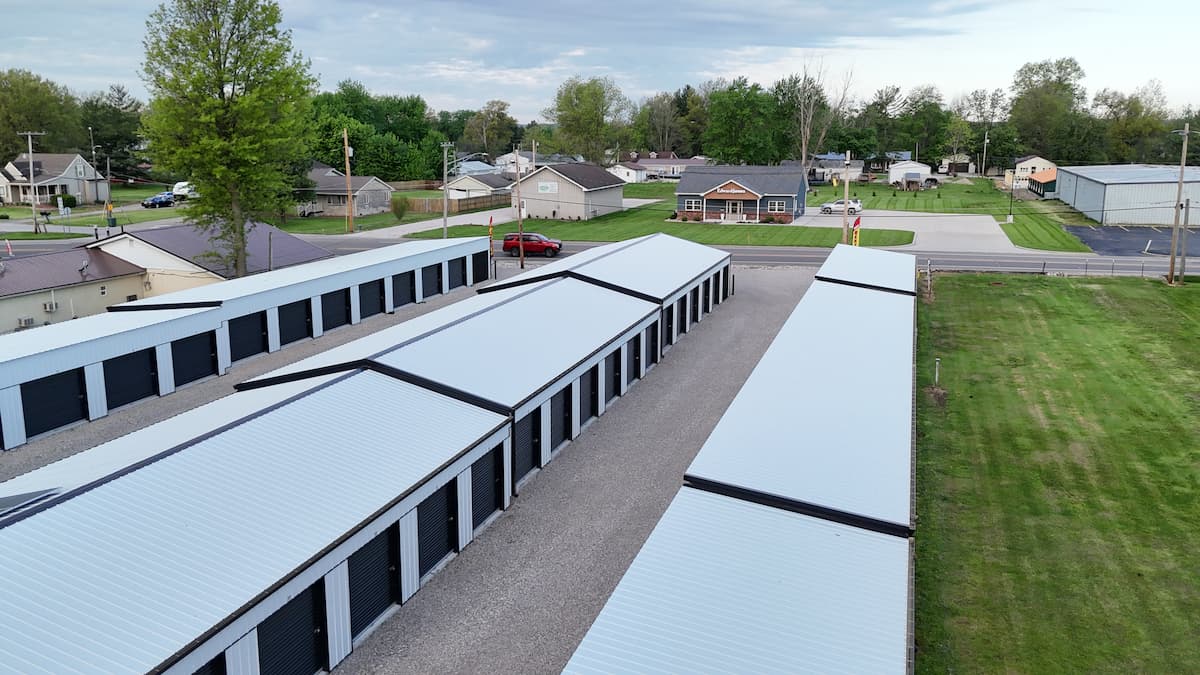
StorageMart's Corpus Christi facility on South Padre Island Drive represents exactly the kind of large-scale self-storage campus that demands serious commercial roofing attention. With dozens of individual units arranged in long, low-slope rows, the combined roof footprint stretches across tens of thousands of square feet — every inch exposed to the punishing combination of Gulf Coast heat, salt air, and the seasonal hail storms that sweep through the Coastal Bend each spring. When a roofing system fails at a self-storage property, the consequences aren't abstract. Tenants storing furniture, electronics, family heirlooms, and business inventory trust that the roof overhead will protect their belongings unconditionally.
Corpus Christi's climate presents a unique challenge stack for self-storage roofs. Summer temperatures regularly exceed 95°F while the proximity to the Gulf drives humidity levels that accelerate membrane degradation. A roof that performs adequately in drier Texas climates can blister, crack, and delaminate within a few seasons here. The salt-laden coastal air also attacks exposed metal flashings and fasteners far faster than inland properties experience. Any roofing specification for a Corpus Christi storage facility needs to account for all of these factors simultaneously, not just address the most obvious threat.
Hail is the wildcard that keeps self-storage owners in South Texas up at night. The Coastal Bend sits within a corridor that receives significant hail activity in spring, with stones frequently reaching golf ball size or larger during severe thunderstorm outbreaks. A single hail event can punch hundreds of punctures into an aging single-ply membrane, allowing water infiltration to begin immediately. Because storage tenants don't inspect their units after every storm, damage can go undetected for weeks before moisture-related losses start accumulating. Installing a hail-rated membrane — TPO or modified bitumen with appropriate thickness ratings — dramatically reduces the risk of this scenario playing out.
Flat and low-slope roofs dominate self-storage construction because they minimize material costs and maximize usable interior height. But these same low slopes make drainage engineering critical. Corpus Christi receives roughly 30 inches of annual rainfall concentrated in intense events, and the city's relatively flat coastal topography means water has nowhere to go quickly. Internal drains, scuppers, and tapered insulation systems must be designed and installed correctly from the outset. A roof that holds standing water even for short periods is a roof that will fail prematurely, with each wet-dry cycle degrading the membrane and the underlying insulation.
Climate-controlled self-storage units have become a significant revenue driver for operators in hot, humid markets like Corpus Christi. Customers pay premium rates to protect temperature-sensitive items — wine collections, musical instruments, electronics, business documents — and they expect that protection to actually work. Achieving consistent interior temperatures requires not just HVAC equipment but a well-insulated roof assembly. Two-inch polyisocyanurate insulation delivers an R-value around 13, but most climate-controlled facilities benefit from thicker assemblies pushing R-25 or higher. The roofing contractor and the mechanical engineer need to coordinate on insulation specifications to deliver a building envelope that doesn't undermine the cooling system.
Cost-effective membrane selection requires balancing upfront material costs against long-term performance and maintenance expenses. In Corpus Christi, a 60-mil TPO membrane installed over a tapered ISO insulation system typically delivers the best combination of heat reflectivity, flexibility in the cold season, and resistance to the UV intensity of the South Texas sun. Thermoplastic polyolefin's white surface reflects solar radiation rather than absorbing it, which reduces cooling loads in climate-controlled buildings and extends membrane life by preventing thermal cycling damage. For multi-building storage campuses, a phased re-roofing plan spread over three to five years can manage capital expenditure while ensuring no building in the portfolio is left with an aging system.
Flashings around penetrations deserve particular attention at self-storage facilities. HVAC curbs, electrical conduit penetrations, and ventilation louvers all create opportunities for water infiltration if the base flashing, counter-flashing, and termination details are not executed precisely. In a coastal environment, these metal components should be fabricated from stainless steel or aluminum rather than galvanized steel, which will rust within a few years of salt air exposure. Careful attention to detail at every penetration pays dividends over the life of the roof system.
Preventive maintenance programs are especially valuable for large self-storage portfolios in Corpus Christi. Twice-annual inspections — once before hurricane season in early June and once after the peak hail season in May — allow property managers to identify and address minor issues before they escalate into expensive repairs or tenant loss claims. A well-documented maintenance log also supports insurance claims when storm damage does occur, demonstrating that the property was maintained in good condition prior to the weather event.
Partnering with a commercial roofing contractor who understands the specific demands of self-storage properties in the Corpus Christi market means getting a roofing system that protects tenant belongings, keeps climate-controlled units operating efficiently, and survives the hail-hurricane-heat cycle that defines South Texas weather. The right contractor brings manufacturer certifications that support extended warranty coverage, provides detailed drainage analysis before installation, and maintains the responsive service relationship that lets a property manager address small problems before they become large ones. For StorageMart and every other storage operator along the Coastal Bend, that kind of partnership is the foundation of a durable, profitable property.
Send the roof location, leak photos, access notes, and decision timeline. We will start with the roof evidence and keep the scope tied to what can be verified.
What We Document
Membrane, seams, laps, edges, drains, scuppers, curbs, penetrations, rooftop units, and previous repairs.
Salt-air corrosion, wind exposure, ponding, blocked drainage, wet insulation clues, and interior leak evidence.
The practical split between immediate repair, maintenance, restoration review, recover planning, and replacement budgeting.