
Auto Dealership Roofing roof access, staging space, and tenant or operations limits.
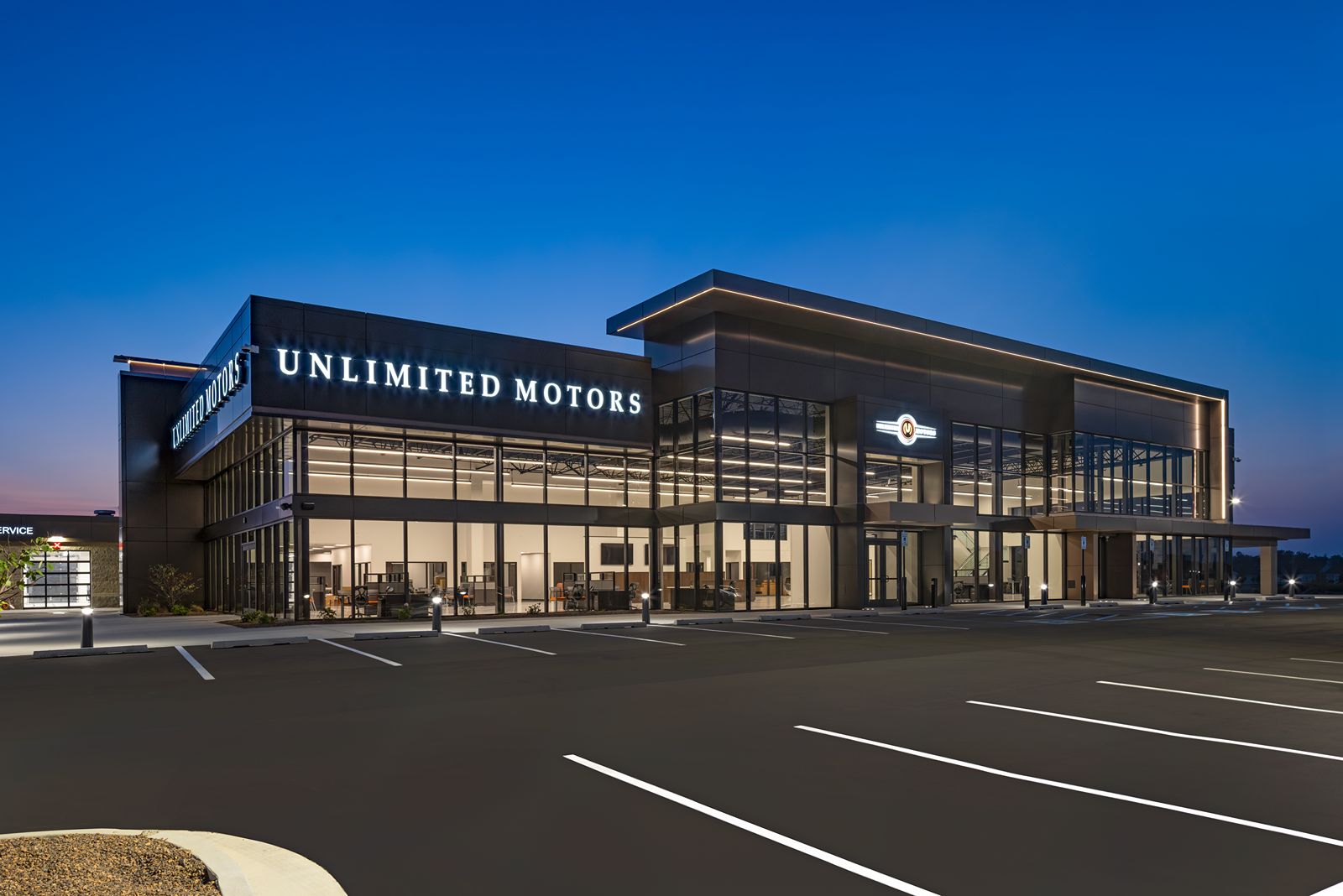
Auto Dealership Roofing in Corpus Christi, TX
Auto Dealership Roofing in Corpus Christi, TX
Commercial roofing for auto dealerships, service centers, and automotive retail facilities.
Gillman Automotive Group operates a multi-franchise dealership complex in Corpus Christi that includes showroom floors, service drive canopies, and large service bay buildings spread across a campus typical of modern automotive retail. The roofing needs of a full-service dealership are fundamentally more complex than most commercial properties — showroom glass curtain walls require watertight integration with adjacent roof sections, service bay skylights demand careful flashing details, vehicle inventory displayed on elevated lot canopies requires hurricane-resistant structure and waterproofing, and the entire operation runs six days a week without the weekend shutdown windows that other commercial roofing projects rely on. In Corpus Christi, the Gulf Coast climate layers additional demands on top of all of this operational complexity.
Hail is the event that focuses automotive dealers' minds on roofing more than any other weather threat. A dealership's showroom and service building roofs represent tens of thousands of square feet of low-slope membrane exposure, and the lot canopies over covered service drives present additional surfaces that absorb hail impact directly. After a major hail event in Corpus Christi, the vehicle inventory takes most of the visible damage and drives the insurance conversation — but the roof damage is equally real and must be addressed before the next rain event to prevent water infiltration into showrooms, service bays, and parts storage areas. Working with a roofing contractor who has experience in post-hail emergency response specific to the Coastal Bend market means faster mobilization after an event.
Service bay skylights are a distinctive roofing challenge at Corpus Christi dealerships. Technicians working on vehicles benefit from natural light that reduces eye strain and makes accurate color matching possible for body work, and skylights provide that light cost-effectively. But skylight curbs and surrounding membrane details are among the most maintenance-intensive elements on any commercial roof. The thermal cycling that Corpus Christi's temperature range produces, the salt air that corrodes metal curb frames, and the UV intensity that degrades gaskets and seals all contribute to skylight-related leaks that can damage vehicles on the service floor below — an expensive outcome for both the dealership and any customer vehicle involved.
OEM brand standards impose specific requirements on dealership facility appearance and condition that extend to roofing systems. Manufacturer representatives conduct periodic facility audits that include the condition of visible building components. A roof with obvious ponding stains, deteriorated edge metal, or failed drainage visible from the lot or the showroom entrance can create compliance issues that complicate dealership agreement renewals. Maintaining roofing systems at a condition consistent with the brand standards the dealer has agreed to support is not optional — it is a franchise agreement obligation that creates a hard deadline for addressing visible roofing deterioration.
The service canopy that covers the write-up lane and customer vehicle check-in area at Corpus Christi dealerships takes direct hail impact and salt air exposure while also needing to look attractive to the customers pulling under it every day. Canopy roofing in the dealership context typically involves metal panel systems with appropriate underlayment and drainage details, and hail-rated panel specifications have become standard in coastal Texas after the repair costs of under-specified canopies have been demonstrated repeatedly. Working with a contractor who understands both the structural requirements and the appearance standards of automotive retail canopy roofing produces results that satisfy both the insurance carrier and the OEM auditor.
Occupied operations create scheduling constraints that make dealership roofing projects particularly demanding. Service departments run on precisely scheduled customer appointments — a vehicle promised by 3:00 PM cannot wait while roofing work is completed above the service bay. Showroom floors operate with customer traffic throughout the day. Parts storage areas must remain accessible without interruption. Experienced dealership roofing contractors plan work sequences that confine active roofing to sections of the building away from live operations, maintain dust and debris containment to protect vehicles and customer environments, and coordinate daily with facility management to ensure that no roofing activity compromises the day's operational plan.
Corpus Christi's coastal heat and humidity drive specific roofing concerns for dealership service buildings. HVAC systems serving service bays need large roof curbs for equipment that processes the exhaust heat from running vehicles and the accumulated heat load of a metal building in South Texas. These curbs create penetrations that must be flashed correctly and maintained against the corrosion that salt air promotes. Service building roofs also typically carry exhaust vents for vehicle emissions management systems, and these penetrations demand the same attention to flashing detail and maintenance that any roof penetration requires in the coastal environment.
Energy performance is increasingly important for large dealership roofing systems in Corpus Christi. Showroom buildings with extensive glass need well-insulated roof assemblies to prevent heat gain from overwhelming the HVAC systems that maintain customer-facing comfort standards. Service buildings that run exhaust ventilation systems benefit from roofing insulation that reduces the solar heat gain the HVAC must overcome. Energy-code-compliant cool-roof specifications for Corpus Christi's climate zone deliver measurable energy cost reductions that compound over the life of the roofing system, contributing to the facility's overall operating cost efficiency.
Long-term planning for dealership roofing in the Corpus Christi market should include coordination with the dealership's OEM facility planning cycle. Manufacturer facility upgrade programs periodically require dealers to renovate or expand physical plants, and these projects often create natural opportunities to address roofing as part of a broader capital improvement program. A contractor who understands the dealership facility lifecycle — including the OEM timeline requirements that drive renovation decisions — can help operators plan roofing investments that align with the broader facility capital program rather than competing with it for budget resources.
Send the roof location, leak photos, access notes, and decision timeline. We will start with the roof evidence and keep the scope tied to what can be verified.
What We Document
Membrane, seams, laps, edges, drains, scuppers, curbs, penetrations, rooftop units, and previous repairs.
Salt-air corrosion, wind exposure, ponding, blocked drainage, wet insulation clues, and interior leak evidence.
The practical split between immediate repair, maintenance, restoration review, recover planning, and replacement budgeting.
Daily dry-in expectations and closeout photos for ownership review.