
Industrial Roofing roof access, staging space, and tenant or operations limits.
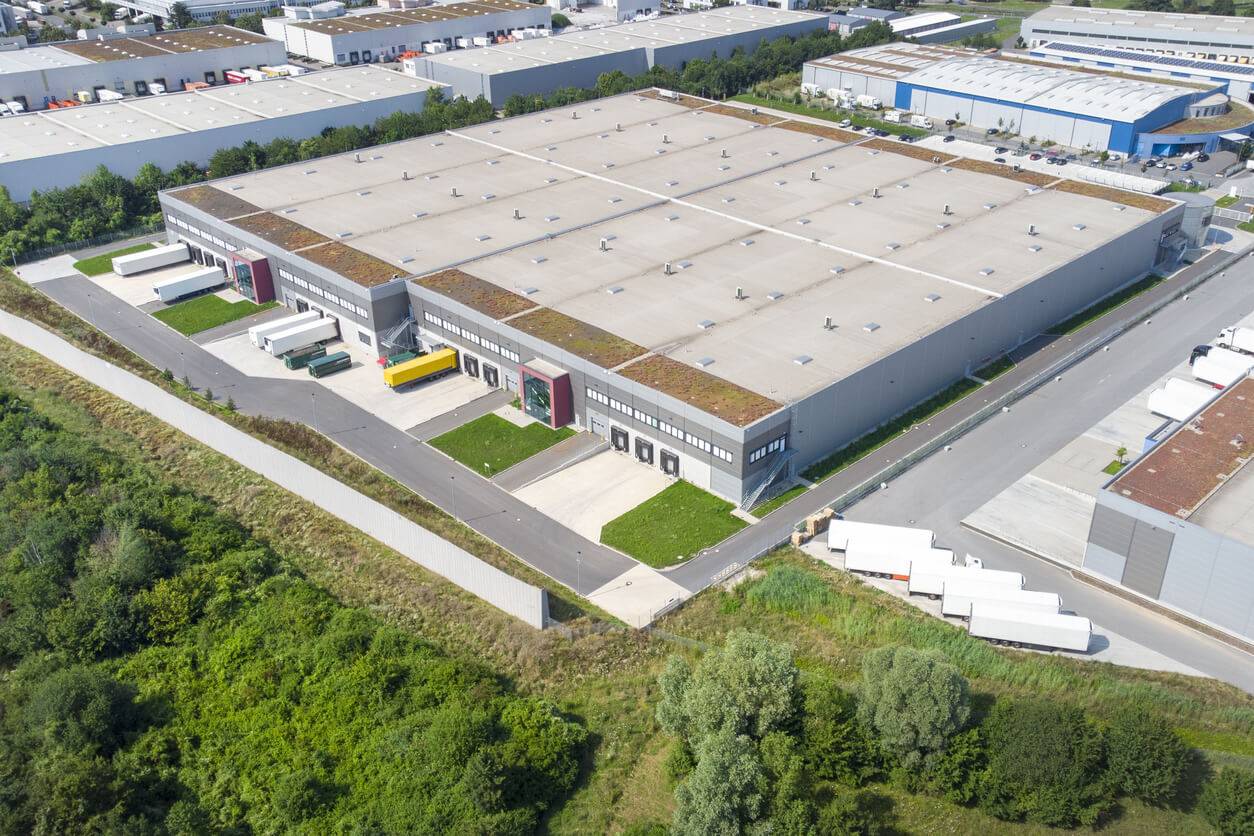
Industrial Roofing in Corpus Christi, TX
Industrial Roofing in Corpus Christi, TX
Commercial roofing scope for multi-ply asphalt roofs, gravel surfacing, core cuts, and replacement timing.
Industrial roofing in Corpus Christi is shaped by one defining fact: this is the largest crude oil export port in the United States. The Port of Corpus Christi and the refinery row along the Inner Harbor — Valero, Flint Hills Resources, NuStar, and supporting petrochemical infrastructure — create the most intensive heavy industrial building concentration on the Texas Gulf Coast south of Houston. The Corpus Christi Army Depot and Naval Air Station Corpus Christi add federal facility complexity to the industrial landscape. And the combination of Gulf hurricane exposure, salt air, 30 inches of annual rain, and intense UV makes the environmental context as demanding as the industrial use. We work across all of this — port facilities, refinery-adjacent buildings, defense installations, and the supporting industrial logistics base along I-37 — and every project starts with a realistic assessment of what this specific environment demands of a roofing system.
Chemical compatibility and corrosion resistance are the foundational specification requirements for any building within the Port of Corpus Christi's industrial complex or adjacent to the refinery row. Hydrocarbon vapors, petrochemical process exhaust, and the aggressive salt-air coastal environment combine to create one of the most demanding roofing exposure conditions in the country. Standard commercial membrane formulations — the TPO or EPDM products appropriate for a Dallas warehouse or an Austin office park — don't have the chemical resistance or corrosion-resistant component specifications to perform reliably in this environment. We evaluate the specific exposure profile for each building in the port and refinery corridor and specify membrane systems, fasteners, edge metals, and penetration hardware rated for the actual conditions. This is not a place where a contractor without genuine petrochemical and coastal industrial experience can deliver an appropriate specification.
Salt air corrosion is a governing design factor for all metal components on Corpus Christi industrial roofs. The combination of Gulf Coast humidity, salt aerosol from the bay, and the heat intensity of South Texas coastal summers creates an accelerated corrosion environment that consumes standard galvanized steel components far faster than inland or northern markets. Aluminum edge metal, stainless steel drain bodies and strainers, stainless or hot-dip galvanized fasteners with heavy coating weight, and corrosion-resistant penetration hardware are baseline specifications on every coastal Corpus Christi industrial project. We've seen buildings in the NuStar and Valero corridor with standard galvanized perimeter components that were substantially corroded within five years — corrosion that compromised perimeter attachment and created a direct hurricane vulnerability. Proper coastal specification upfront is always less expensive than premature component replacement.
Hurricane exposure is the dominant structural design challenge for industrial roofing in Corpus Christi. The city is directly in the Gulf hurricane threat zone, and the 2017 Harvey event — while making landfall closer to Rockport — delivered significant wind and water damage to industrial facilities in the Corpus Christi area. Before Harvey, many industrial buildings in this market had been re-roofed without genuine attention to FM Global wind-uplift standards. We don't make that mistake. Every industrial roofing system we install in Corpus Christi is designed and installed to FM Global wind-uplift requirements, with verified attachment patterns in field, perimeter, and corner zones, properly anchored edge metal systems, and seam constructions that meet storm-rated performance standards. For existing industrial roofs, we can evaluate current uplift attachment adequacy and identify perimeter zone upgrades that can be made without full system replacement.
For flat and low-slope industrial roofs in Corpus Christi, our system selection is driven by chemical exposure, wind uplift requirements, and the intense UV and heat environment. Chemical-resistant modified bitumen systems are the appropriate choice for buildings within or immediately adjacent to refinery and petrochemical processing operations. EPDM with enhanced hydrocarbon resistance is an option for buildings with moderate chemical exposure. For port logistics, warehouse, and distribution facilities where direct chemical exposure is limited, certain TPO formulations with enhanced chemical resistance are appropriate — but standard commercial TPO is not our specification in this market's general industrial environment. Metal R-panel and standing seam are the system of choice on new construction and re-roofing over metal framing where structural capacity allows, providing exceptional wind uplift performance and long service life with appropriate coastal-rated fastening.
The Port of Corpus Christi's cargo, logistics, and terminal facilities present access and coordination requirements that require genuine port operations experience. Security credentialing, coordination with terminal operations and vessel scheduling, equipment clearance requirements in active cargo handling zones, and TWIC card requirements for port workers accessing security-sensitive areas are all part of the normal operating environment for roofing contractors in the port complex. Our project managers have experience navigating port authority project management requirements, and we credential our workforce to the port's standards. We don't treat port facility access as a special problem to solve — it's a standard part of how we plan and execute every port-area industrial roofing project.
Corpus Christi Army Depot and Naval Air Station Corpus Christi represent a federal facility segment of the industrial market with its own set of project management requirements. Federal facility roofing projects require compliance with government contracting requirements, security clearance processes, and quality documentation standards that exceed standard commercial project requirements. We've worked under federal facility contracting frameworks and understand what's required to execute government industrial roofing work successfully — from the pre-qualification and bidding process through the documentation and closeout requirements at project completion.
The South Texas heat and UV environment accelerates membrane aging faster than in temperate or northern climates. Corpus Christi's summer rooftop surface temperatures on dark membranes can reach 175-185 degrees, driving daily thermal cycling between nighttime temperatures and peak afternoon heat that stresses membrane seams and flashings cumulatively over time. Reflective membrane systems reduce rooftop surface temperature by 50-70 degrees, meaningfully extending membrane service life and reducing cooling load on conditioned spaces. For large industrial buildings with significant air-conditioned square footage — warehouse distribution centers, military facility support buildings — the energy savings from reflective roofing are quantifiable in annual operating cost. We evaluate cool-roof options for every Corpus Christi industrial project where reflective performance is relevant to the owner's operating cost equation.
Industrial maintenance programs in Corpus Christi need to be structured around the Gulf hurricane season. Pre-season inspection — completed before June 1 — is the most important maintenance event of the year. We check every flashing condition, perimeter edge metal attachment, seam stress indicator, and drain condition before the June-through-November Atlantic hurricane season. Post-storm inspection within 48-72 hours of any significant Gulf weather event is equally important — hurricane-related membrane damage that's caught early and repaired promptly prevents interior building damage from compounding. We recommend every industrial facility in the Corpus Christi market have a pre-season inspection and a post-storm inspection protocol in place as baseline practices, not optional ones.
We work with industrial facility managers, port authority contacts, plant engineers, defense facility contractors, and industrial property owners throughout the Corpus Christi market. Whether you manage a refinery-adjacent support building, a Port of Corpus Christi terminal facility, a naval installation, or an I-37 corridor industrial property, we bring the technical depth and coastal industrial experience to give you an accurate assessment and a roofing program that will perform in this environment. Contact us to schedule a site visit.
Pre-season preparation should be completed before June 1 and includes: inspection and repair of all perimeter edge metal attachment — this is where wind-uplift failure initiates, and loose or corroded edge metal is a direct storm vulnerability; inspection and reinforcement of seam conditions in perimeter and corner roof zones where wind uplift forces are highest; verification that all drains and scuppers are clear and can handle peak storm rainfall intensity; inspection and repair of all flashing conditions at penetrations and wall-roof transitions; and documentation of the current roof system attachment pattern so you know what you have going into storm season. If your building hasn't had FM Global-standard uplift attachment specified and verified, that's a conversation worth having before the next major Gulf storm approaches. Post-storm inspection within 48 hours of any significant event is equally important — minor damage found immediately is a small repair; the same damage discovered three months later after it's been through additional weather events is a major repair.
Yes, it does. Buildings within or directly adjacent to active refinery fence lines are exposed to hydrocarbon vapors and process exhaust compounds that degrade standard commercial membrane formulations over time. The degradation is visible as surface crazing, cracking, or softening — membrane that is chemically being attacked rather than just aging from UV and heat. For buildings in close proximity to active refinery operations, we specify chemical-resistant modified bitumen systems or EPDM membranes with confirmed hydrocarbon resistance ratings. We require a chemical exposure assessment for any building in the refinery corridor before finalizing a specification. The cost of getting this right upfront is a fraction of the cost of removing and replacing a membrane that was improperly specified and failed prematurely because the chemistry was wrong for the exposure environment.
Heat and UV exposure in South Texas — particularly in coastal Corpus Christi, where summer rooftop surface temperatures on dark membranes approach 180 degrees — accelerates membrane aging meaningfully compared to temperate or northern climates. Standard commercial membrane systems rated for 20-year performance in moderate climates often perform for 12-15 years in South Texas conditions with similar maintenance. Reflective white membrane surfaces reduce surface temperature by 50-70 degrees, which substantially extends service life and reduces the thermal fatigue stress on seams and flashings. Protective coatings on modified bitumen and SPF systems help manage UV and heat degradation. For industrial buildings in Corpus Christi, we recommend considering the South Texas heat environment as a discount factor when evaluating manufacturer warranty claims based on temperate climate testing — and specifying systems and coatings that perform specifically in high-UV, high-heat coastal environments.
When budget is constrained, prioritize in this order: first, drainage — clear drains and scuppers and ensure water is leaving the roof adequately; standing water is the most consistently damaging condition on any flat industrial roof. Second, perimeter and hurricane-season preparation — check and repair perimeter edge metal attachment and perimeter zone flashing conditions before storm season; this is your wind-uplift vulnerability and addressing it before storm season is the highest-value investment on a coastal Texas industrial roof. Third, active leak locations — repair known leaks before they progress from membrane damage to interior building damage. Fourth, seam and penetration conditions — address visible seam stress and compromised penetration flashings before they become active leaks. This triage approach gets the most protection from a limited maintenance budget and prevents small problems from becoming expensive emergencies.
How do we prepare our industrial roof for Gulf hurricane season?
Does proximity to the Valero or Flint Hills refineries affect what membrane we should use on our building?
We have TWIC card requirements for our port facility. Can your crews meet that requirement?
How does the intense South Texas heat affect how long an industrial roof lasts?
Our industrial facility is on a tight budget. What should we prioritize for maintenance when we can't do everything?
Send the roof location, leak photos, access notes, and decision timeline. We will start with the roof evidence and keep the scope tied to what can be verified.
What We Document
Membrane, seams, laps, edges, drains, scuppers, curbs, penetrations, rooftop units, and previous repairs.
Salt-air corrosion, wind exposure, ponding, blocked drainage, wet insulation clues, and interior leak evidence.
The practical split between immediate repair, maintenance, restoration review, recover planning, and replacement budgeting.
Daily dry-in expectations and closeout photos for ownership review.