
Humidity & Trapped Moisture Roof Repair roof access, staging space, and tenant or operations limits.
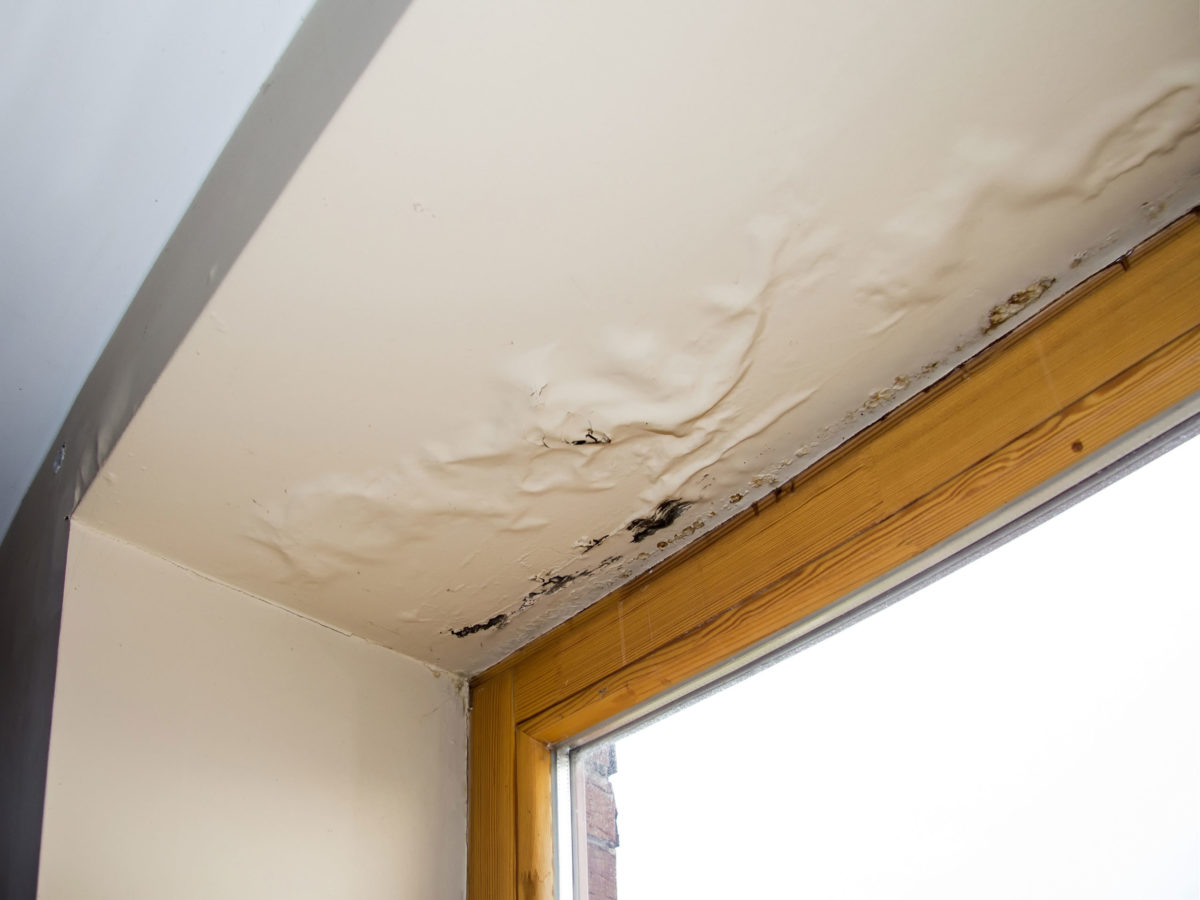
Humidity & Trapped Moisture Roof Repair in Corpus Christi, TX
Humidity & Trapped Moisture Roof Repair in Corpus Christi, TX
Some of the costliest roofs we open were never hit by a leak. The water rose up out of the building as vapor and got sealed inside the insulation, where it sat and did its damage.
The Damage That Comes From Inside the Building
Ask most owners what wrecks a roof and they will say rain finding a hole. Out here a whole class of failure runs the opposite direction. The bay and the Gulf keep outdoor humidity high through much of the year, and inside an air-conditioned building the warm, moisture-laden air is forever drifting upward toward the cooler roof deck. That vapor works its way into the assembly through small gaps and through any vapor barrier that was botched, punctured, or never installed, and once it reaches a cool layer up in the system it condenses into liquid water and has nowhere to go. We have opened this exact failure on hotels near the marina and North Beach, on restaurants and natatoriums, on grocery and retail boxes off Staples Street, and on schools and county buildings around town. No storm was ever involved. The roof was quietly rotted by humidity the building itself produced, and by the time it surfaces, it has almost always traveled past the one spot you can see.
Reading the Signs of Trapped Moisture
Once you know the pattern, the symptoms are unmistakable. Blisters appear where vapor pressure builds under the membrane and balloons the sheet off its substrate into pockets that puff a little larger with every hot Corpus Christi afternoon. Ridging shows as long raised welts, usually tracing the joints between insulation boards, where the moisture has swollen and shoved the boards out of line. Walk the field and it gives underfoot, soft and spongy where a once-firm board has turned into a saturated mat that has surrendered both its shape and its insulating value. Open one of those zones with a knife and the insulation comes up wet and crumbling, the facers peeling apart, and on a steel deck the top flutes already showing rust from sitting in standing moisture. None of that needs a single drop of rain to happen, and skinning a patch over the top of it changes nothing, because the water is already locked underneath.
The Vapor Barrier Is Usually Where It Went Wrong
In a hot, humid coastal climate the moisture drive pushes up and out from the conditioned interior, which is why the vapor retarder belongs down low in the assembly, near the deck, where it can stop interior humidity before it ever climbs into the insulation. Time and again we find the retarder set at the wrong level, torn up during the original install, or simply omitted to save a line on the bid. Any one of those turns the roof into a one-way trap: vapor gets in, strikes a cold plane, condenses, and cannot escape. Here is the part owners most need to sit with. If we recover a roof over a misbuilt vapor assembly and leave the moisture management uncorrected, all we have done is entomb the same failure inside a brand-new roof, and it will come back. Repairing humidity damage for good means fixing the building physics, not just swapping the top sheet.
Measuring the Damage Before You Pay to Remove It
We refuse to guess at how far the saturation has spread, because guessing is what turns a fair price into a runaway one. An infrared survey, walked or flown during the evening cool-down, reveals the wet zones plainly, since waterlogged insulation clings to the day's heat and reads warmer than the dry field beside it on the thermal image. Every flagged area then gets a confirming core cut, so the moisture map is backed by samples that show precisely how deep the water reaches and whether the deck beneath has begun to corrode. That survey is the hinge the entire repair swings on. Wet insulation caught early, scattered in pockets ringed by dry board, is a contained cut-and-patch. Leave the same moisture for two more humid seasons and it migrates, eats more deck, and crosses into full-replacement territory. An honest picture up front is what keeps a manageable repair from sliding into a tear-off nobody budgeted for.
Fixing It So the Same Failure Does Not Return
Where the saturation is localized, we cut the wet insulation out down to sound substrate, drop in new dry board of matching thickness so the slope to the drains stays true, and weld the membrane back over the repair with fresh flashings at every edge and penetration inside the affected area. Where the survey shows wet board across a large share of the field, or where the steel deck has already rusted through, a recover or full replacement is the honest answer, and we rebuild the assembly with the vapor retarder placed correctly for this coastal climate so the trap cannot reform. Whichever way it goes, ownership receives the infrared report and the core findings side by side with a plain comparison of repair against replacement, so the money decision rides on evidence rather than a guess.
What Humidity Damage Repair Covers
- Infrared moisture survey with confirming core cuts to map the saturated insulation
- Diagnosis of vapor retarder placement and the interior humidity sources feeding the failure
- Cut-and-replace of wet insulation with slope-matched dry board and a welded membrane repair
- Blister and ridge remediation tied to the vapor condition underneath, not just the surface symptom
- Steel deck corrosion assessment wherever the moisture has reached the deck
- Recover or replacement designs that correct vapor management for the coastal climate
Humidity & Moisture Damage Questions
We run an infrared survey during the evening cool-down, when saturated insulation gives back the day's heat slower than the dry field and reads warmer in the thermal image. Each flagged zone then gets a core cut, which also exposes insulation compression, facer delamination, and any deck corrosion that cannot be seen from above.
In Corpus Christi's humid climate, warm interior air drives water vapor up into the roof. If the vapor retarder is at the wrong level, torn, or missing, that vapor condenses against a cooler layer in the assembly and stays put, saturating the insulation, rusting the steel deck, and ballooning the membrane into blisters without a single rain leak.
Localized saturation confirmed by infrared, with dry board around it, is a targeted cut-and-patch: pull the wet insulation, set matching dry board, weld the membrane back, and reflash the affected edges. Full replacement becomes the right call when wet insulation covers a large share of the field or the deck has corroded through. We lay out both options after the survey.
No. Recovering over a roof with a misplaced or failed vapor retarder only seals the same moisture trap inside a new roof, and the blistering and saturation return. A lasting fix corrects the vapor management for this climate, not just the top membrane.
It compounds. Wet insulation loses its insulating value, so the building bleeds conditioned air through the roof and cooling costs climb, while the standing moisture keeps eating the deck. A roof with scattered wet pockets today can show widespread saturation within a couple more humid seasons, turning a contained repair into a full replacement.
What We Document
Membrane, seams, laps, edges, drains, scuppers, curbs, penetrations, rooftop units, and previous repairs.
Salt-air corrosion, wind exposure, ponding, blocked drainage, wet insulation clues, and interior leak evidence.
The practical split between immediate repair, maintenance, restoration review, recover planning, and replacement budgeting.
Daily dry-in expectations and closeout photos for ownership review.